
Abstract
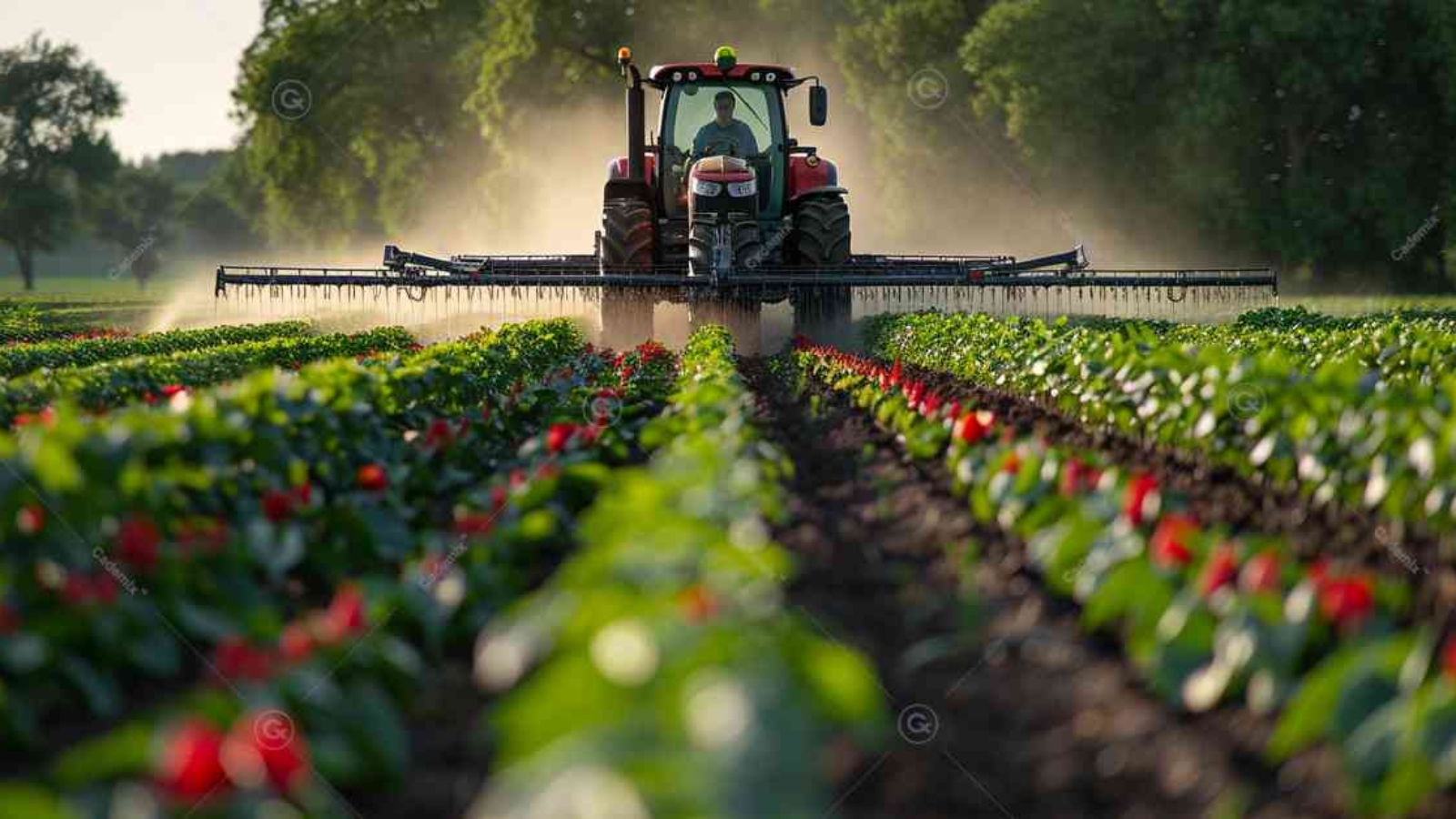
Farm tractors have revolutionized agriculture, transforming it into a more efficient, productive, and sustainable industry. This article delves into the history, technological advancements, and economic impact of farm tractors. It explores their role in modern farming, the various types of tractors available, and the innovations that continue to shape the agricultural landscape. By understanding the significance of farm tractors, we can appreciate their contribution to food production and rural development.
Cademix Instute of Technology-Agriculture Editorial Board
Keywords: farm tractors, agricultural machinery, tractor technology, sustainable farming, agricultural innovation
Introduction
Farm tractors are the workhorses of modern agriculture, essential for a wide range of farming operations. From plowing fields and planting crops to harvesting and transporting produce, tractors have made farming more efficient and less labor-intensive. This article examines the evolution of farm tractors, their impact on agriculture, and the technological innovations that are driving their development.
Historical Evolution of Farm Tractors
Early Mechanization
Steam-Powered Tractors
The first mechanized tractors appeared in the late 19th century, powered by steam engines. These early tractors were large, cumbersome, and primarily used for plowing and threshing. Despite their limitations, steam-powered tractors marked the beginning of the mechanization era in agriculture.
- Case Steam Engine: One of the most notable early models was the Case steam engine, which set the foundation for future developments in tractor technology. Learn more about the history of Case Corporation.
Internal Combustion Engines
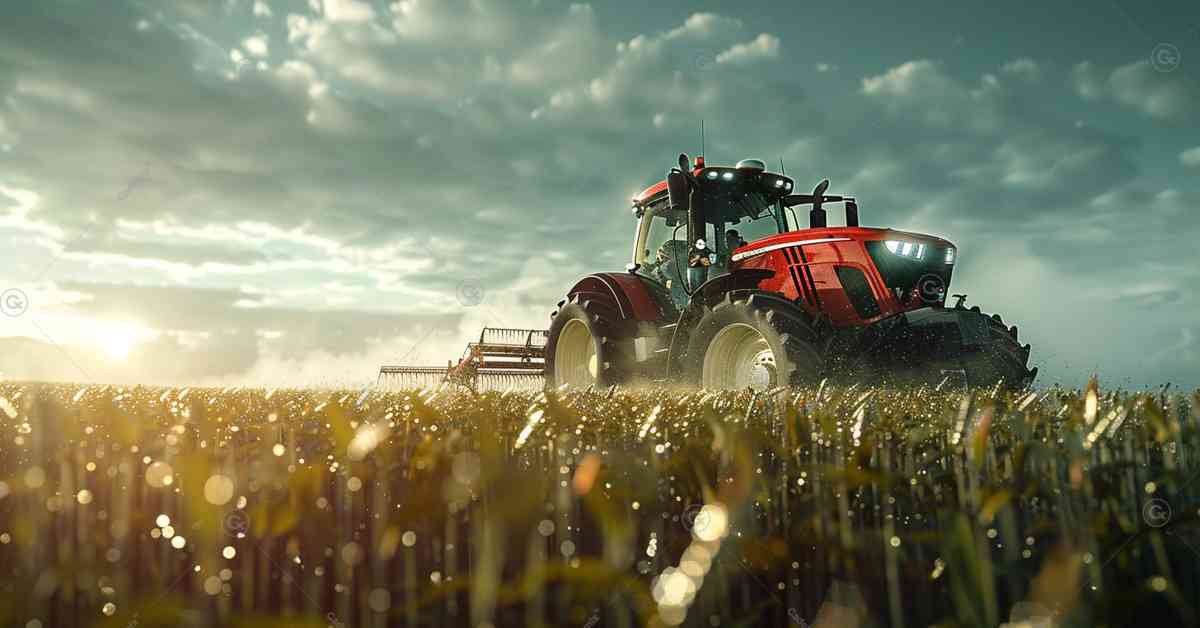
The invention of the internal combustion engine in the early 20th century revolutionized farm tractors. These engines were smaller, more efficient, and more reliable than steam engines, making tractors more accessible to farmers.
- Fordson Tractor: Introduced in 1917, the Fordson tractor was one of the first mass-produced tractors with an internal combustion engine. It played a crucial role in popularizing tractors among farmers. Discover more about the Fordson tractor.
Technological Advancements
Hydraulic Systems
The development of hydraulic systems in the mid-20th century greatly enhanced the functionality of farm tractors. Hydraulics allowed for the attachment of various implements, such as plows, harrows, and loaders, making tractors more versatile and efficient.
- Three-Point Hitch: Invented by Harry Ferguson, the three-point hitch system revolutionized the way implements were attached to tractors, improving stability and ease of use. Read about the Ferguson System.
Diesel Engines
The introduction of diesel engines in farm tractors provided greater power and fuel efficiency. Diesel tractors became the standard in the mid-20th century, offering improved performance for heavy-duty tasks.
- John Deere 4020: Launched in the 1960s, the John Deere 4020 became one of the most popular diesel tractors, known for its power, reliability, and versatility. Learn more about John Deere’s history.
Types of Farm Tractors
Utility Tractors
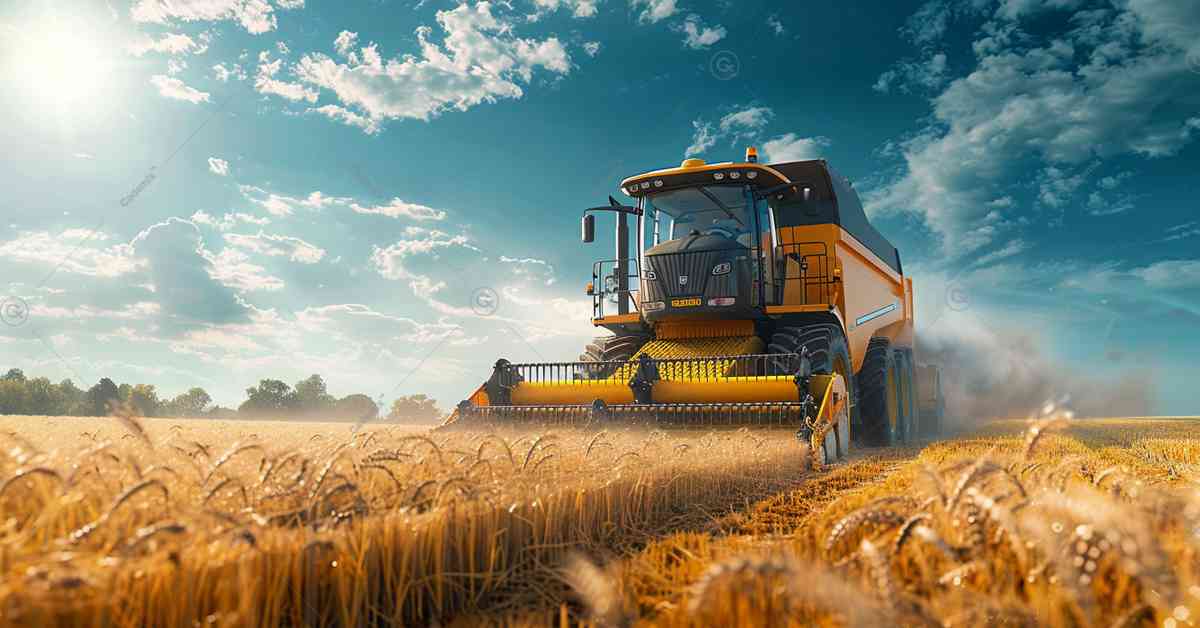
Utility tractors are versatile machines designed for general farm work, including plowing, planting, and transporting materials. They are suitable for small to medium-sized farms and are often equipped with various attachments to handle different tasks.
- Examples: The John Deere 5E Series and the New Holland Workmaster series are popular utility tractors known for their versatility and reliability.
Row Crop Tractors
Row crop tractors are specifically designed for row crop farming, where precise spacing and height adjustments are crucial. These tractors are used for planting, cultivating, and harvesting row crops such as corn, soybeans, and cotton.
- Examples: The Case IH Magnum series and the John Deere 8R series are well-regarded row crop tractors.
Compact Tractors
Compact tractors are smaller, lighter machines ideal for small farms, orchards, vineyards, and landscaping tasks. They offer versatility and maneuverability, making them suitable for a variety of applications.
- Examples: The Kubota BX series and the John Deere 1 Series are popular compact tractors.
Specialty Tractors
Specialty tractors are designed for specific agricultural tasks or environments, such as orchards, vineyards, and hilly terrain. These tractors often have unique features tailored to their intended use.
- Examples: The Fendt Vario series, designed for vineyard and orchard work, and the Antonio Carraro tractors, built for steep and uneven terrain.
Technological Innovations in Farm Tractors
Precision Agriculture
GPS and Automated Steering
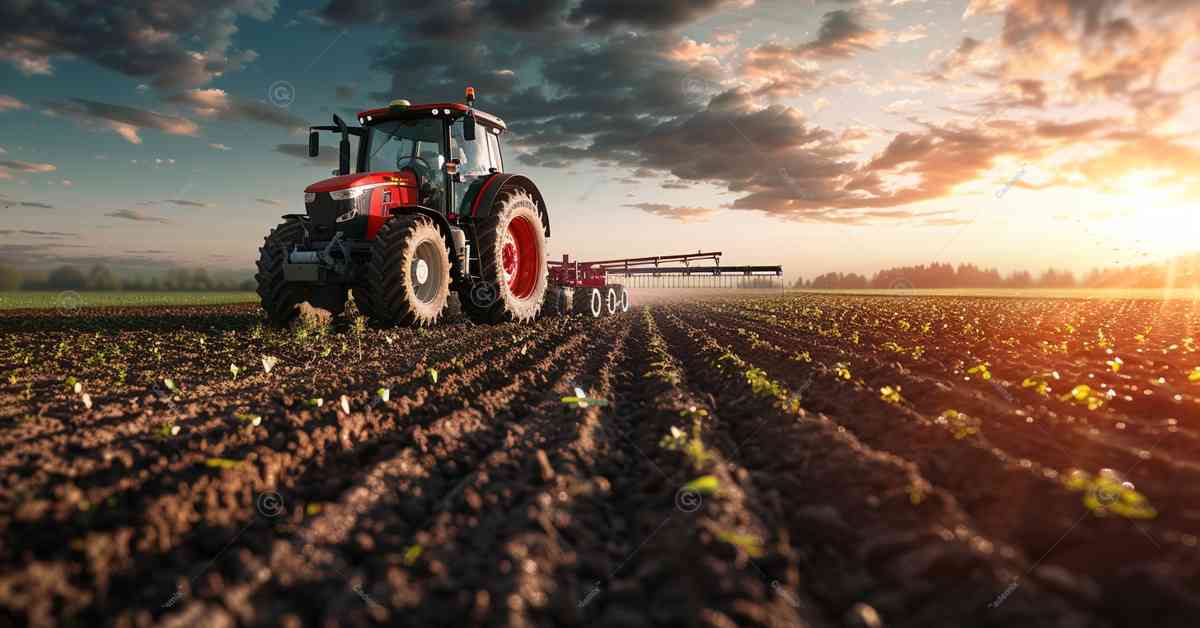
The integration of GPS technology and automated steering systems has transformed farm tractors into precision farming tools. These technologies enable precise field mapping, auto-guidance, and variable rate application of inputs, improving efficiency and reducing waste.
- AutoTrac System: John Deere’s AutoTrac system allows for precise guidance and steering, enhancing accuracy and productivity. Discover more about AutoTrac.
Telematics and Connectivity
Telematics systems enable real-time monitoring and data collection from tractors. Farmers can track performance, maintenance needs, and field conditions remotely, making data-driven decisions to optimize operations.
- AgCommand: AGCO’s AgCommand system provides telematics solutions for fleet management and remote monitoring. Learn more about AgCommand.
Autonomous Tractors
The development of autonomous tractors promises to further revolutionize agriculture. These driverless machines can perform various tasks independently, increasing efficiency and reducing labor costs.
- Case IH Autonomous Concept Vehicle: Case IH has developed an autonomous tractor prototype that can operate without a driver, representing the future of farm machinery. Read about the Case IH Autonomous Tractor.
Sustainability and Energy Efficiency
Electric Tractors
Electric tractors offer a sustainable alternative to traditional diesel-powered machines. They produce zero emissions and can significantly reduce operating costs.
- Fendt e100 Vario: Fendt’s electric tractor model, the e100 Vario, is an example of innovative technology aimed at reducing the carbon footprint of farming operations. Discover more about the Fendt e100 Vario.
Hybrid Tractors
Hybrid tractors combine traditional internal combustion engines with electric power to improve fuel efficiency and reduce emissions. These tractors offer a balance between performance and sustainability.
- New Holland Methane-Powered Tractor: New Holland’s methane-powered tractor is a step towards sustainable farming, utilizing renewable energy sources. Learn about the methane-powered tractor.
Economic Impact of Farm Tractors
Boosting Agricultural Productivity
Farm tractors have dramatically increased agricultural productivity by enabling farmers to cultivate larger areas more efficiently. The mechanization of tasks such as plowing, planting, and harvesting reduces labor requirements and increases output.
Reducing Labor Costs
The use of farm tractors reduces the need for manual labor, lowering labor costs and making farming more economically viable. This is particularly important in regions with labor shortages or high labor costs.
Enhancing Rural Economies
The adoption of farm tractors contributes to the development of rural economies by improving farm profitability and supporting related industries such as machinery manufacturing, maintenance services, and supply chains.
Future Prospects for Farm Tractors
Continued Technological Advancements
As technology continues to evolve, farm tractors will become even more advanced, incorporating features such as artificial intelligence, advanced robotics, and enhanced connectivity. These innovations will further improve efficiency, productivity, and sustainability.
Focus on Sustainability
The push for sustainable agriculture will drive the development of eco-friendly tractors, including electric and hybrid models. The adoption of renewable energy sources and sustainable practices will reduce the environmental impact of farming operations.
Integration with Smart Farming Systems
Farm tractors will increasingly be integrated with smart farming systems, creating interconnected agricultural ecosystems. This integration will enable more precise and efficient farm management, enhancing overall productivity and sustainability.
Conclusion
Farm tractors have played a pivotal role in transforming agriculture, making it more efficient, productive, and sustainable. From their early beginnings with steam engines to the advanced, technology-driven machines of today, tractors have continually evolved to meet the changing needs of farmers. As we look to the future, continued innovation and a focus on sustainability will ensure that farm tractors remain at the forefront of agricultural progress. By understanding the history, impact, and potential of farm tractors, we can appreciate their significance in powering the fields and feeding the world.