

Openai is at the forefront of artificial intelligence research and development. As a pioneering organization, Openai aims to ensure that artificial intelligence (AI) benefits all of humanity. This article explores Openai’s mission, research breakthroughs, key projects, and the impact of its technologies across various sectors.
Keywords: Openai, artificial intelligence, AI research, machine learning, GPT-3, GPT-4, AI safety, AI applications, AI advancements.
Mission and Vision
Openai was founded with the goal of advancing digital intelligence in ways that benefit humanity as a whole. Its mission is to ensure that artificial general intelligence (AGI) is aligned with human values and interests. Openai commits to transparency, sharing research, and collaborating with other institutions to address the broader impacts of AI on society.
By promoting safe and ethical AI, Openai seeks to mitigate risks associated with powerful AI systems. The organization advocates for policies that ensure AI development is conducted responsibly, emphasizing the need for global cooperation in managing the profound changes AI will bring.

Research Breakthroughs
Openai has achieved significant milestones in AI research, particularly in natural language processing (NLP). The development of the Generative Pre-trained Transformer (GPT) models, including GPT-3 and GPT-4, has set new standards in the field. These models are capable of generating coherent and contextually relevant text, transforming how we interact with machines.
The GPT models are trained on extensive datasets, allowing them to understand and generate text across various domains. These advancements have improved applications such as language translation, content creation, and conversational AI. Openai’s research continues to push the boundaries of what is possible with AI.
Key Projects and Innovations
Beyond the GPT models, Openai has developed several innovative projects. Codex, an AI system designed to understand and generate code, powers GitHub Copilot, an AI-powered code completion tool. Codex assists programmers by generating code snippets, debugging, and providing real-time suggestions.
Openai is also exploring AI applications in gaming, robotics, and healthcare. These projects aim to leverage AI to assist in complex tasks, enhance decision-making processes, and improve human capabilities. By addressing real-world challenges, Openai’s innovations have the potential to drive significant societal benefits.
Openai in the Job Market
Openai’s technologies are reshaping the job market, offering tools that enhance both recruitment processes and job seeker experiences. AI systems developed by Openai can automate candidate screenings, match job seekers with suitable roles, and provide personalized career advice. These tools help employers identify the best candidates efficiently and help job seekers navigate the job market more effectively.
For job seekers, AI-powered tools offer valuable resources for resume building, interview preparation, and skills development. Openai’s technologies enable continuous learning and professional growth, making individuals more competitive in an evolving job landscape. This integration of AI in the job market fosters innovation and enhances workforce efficiency.
Future Workforce Integration
Integrating Openai’s technologies into the future workforce promises significant improvements in efficiency and productivity across various industries. In customer service, AI systems can handle routine inquiries, allowing human agents to focus on complex issues. In healthcare, AI can assist with patient triage, medical information dissemination, and personalized treatment plans.
In education, AI can provide personalized learning experiences, real-time feedback, and tutoring support. For businesses, AI-driven automation can streamline operations, enhance decision-making, and facilitate communication across teams. By harnessing AI, organizations can reduce operational costs, improve service quality, and drive innovation.
Broader Applications and Implementation
Openai’s innovations extend beyond traditional sectors, impacting creative industries, finance, and government services. In creative fields, AI tools can assist with content generation, enhance interactive experiences, and support creative workflows. Financial institutions can leverage AI for customer support, fraud detection, and financial planning.
Government agencies can utilize AI to improve citizen services, provide instant responses to inquiries, and enhance transparency. Implementing Openai’s technologies involves integrating AI systems into existing infrastructures, training on relevant datasets, and ensuring robust security measures. Successful integration requires collaboration between AI developers, industry experts, and end-users.
Overemphasis on Ethical Considerations
While Openai’s commitment to ethical considerations in AI development is commendable, there are concerns that an overemphasis on ethics could hinder innovation and practical application. Strict ethical guidelines can slow down the deployment of new technologies, potentially stifling advancements that could offer significant societal benefits. This cautious approach might lead to missed opportunities in rapidly evolving fields where timely implementation is crucial.
Furthermore, the focus on ethical considerations may create barriers to entry for smaller companies and startups that lack the resources to navigate complex regulatory landscapes. This can result in a competitive disadvantage, where only well-funded organizations can afford to comply with stringent ethical standards, limiting diversity and innovation within the AI industry. Critics argue that a more balanced approach is needed, where ethical considerations are weighed alongside the potential benefits and opportunities AI technologies can provide.
Additionally, there is a risk that excessive ethical scrutiny could foster public fear and mistrust of AI, overshadowing its positive contributions. Overemphasis on potential risks might lead to overly restrictive policies that stifle beneficial AI applications. This can slow down progress in critical areas such as healthcare, education, and environmental sustainability, where AI has the potential to drive significant improvements and innovations. A more nuanced approach, balancing ethical considerations with practical benefits, is essential to harnessing the full potential of AI.

Conclusion
Openai is at the forefront of artificial intelligence research, driving advancements that are transforming industries and everyday life. With a commitment to ethical AI development and a focus on benefiting humanity, Openai’s technologies offer significant potential for enhancing human capabilities, improving efficiency, and fostering innovation.
For more detailed information, visit the Openai website.
The landscape of AI development is marked by the tension between ethical rigor and technological advancement. At the Cademicx Institute of Technology Austria, this balance is actively pursued to navigate the challenges and unlock the full potential of AI.
Relevant Key Phrases and Keywords: Openai, artificial intelligence, AI research, machine learning, GPT-3, GPT-4, AI safety, AI applications, AI advancements.
People also visited:

Power BI: 2 Best Practical EU Inflation Dashboards (Dashboard + Python)

Effective Multi-Platform Communication: Integrating Email, WhatsApp, and Other Messaging Platforms

Optometrist Job Positions in Europe

Navigating Digital Age Customer Expectations and Response Times

Best Contacts for Dry Eyes: Top Choices for Optimal Comfort
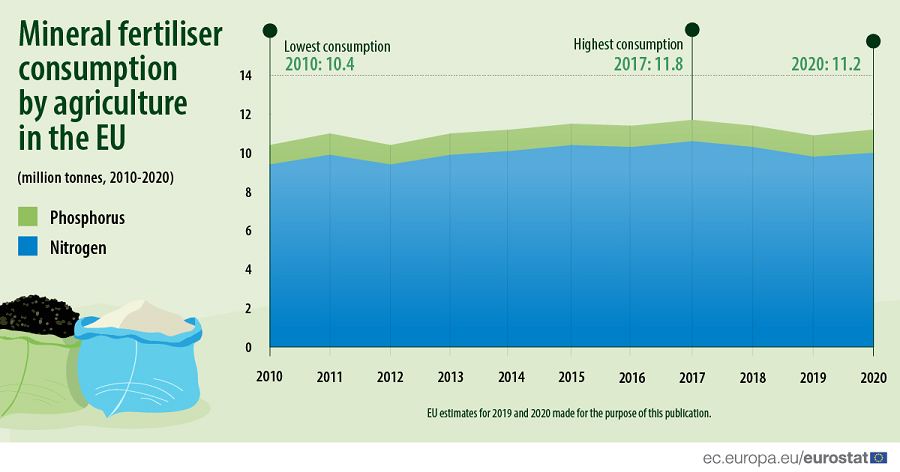
Comparison Of The European Fertilizer Consumption With The Middle East

Mastering the Art of Following-Up Job Applications

Variable Frequency Drives (VFDs): Enhancing Motor Control in Automation

The Strategic Role of BIM and LEED Certifications in the European Construction Market

20 Must-Have Business Stationery Mockup Items for Your Design Portfolio

Chatgpt: Revolutionizing Conversational AI and Beyond

Moody Lenses: Stylish and High-Quality Contact Lenses

The User Research Role in Shaping User-Centric Mobile Apps

Pectin Extraction – A Review

Building a Reliable Library Management System with 2 Roles: Python UI(Tkinter) and SQL Server

Accelerating Success: Tailored Mentorship for International Professionals in Navigating Offers

Revolutionizing Manufacturing: The Future of Industrial Automation

The Role of Safety Standards in Electrical Plant Construction Project Planning: 2024 Update

Comprehensive Eye Care: A Complete Guide to Maintaining Healthy Vision

Mastering Task Management Strategies: A Guide to Leveraging Task Momentum and Overcoming Sunk Cost B...

Critical Perspectives on Semiconductor Fabrication Processes and Optical Packaging in Quantum Integr...

Astigmatism: Insights and Treatment Options

Innovative Approaches to Enhancing Team Collaboration in Virtual Workspaces

RX Safety Glasses: Protecting Your Vision with Style and Function
Must-Reads for Job Seekers
People also visited:
Mastering the Art of Following-Up Job Applications
Critical Perspectives on Semiconductor Fabrication Processes and Optical Packaging in Quantum Integr...
RX Safety Glasses: Protecting Your Vision with Style and Function
Navigating Digital Age Customer Expectations and Response Times
Building a Reliable Library Management System with 2 Roles: Python UI(Tkinter) and SQL Server
Optometrist Job Positions in Europe
Best Contacts for Dry Eyes: Top Choices for Optimal Comfort
Chatgpt: Revolutionizing Conversational AI and Beyond
Accelerating Success: Tailored Mentorship for International Professionals in Navigating Offers
Variable Frequency Drives (VFDs): Enhancing Motor Control in Automation
Astigmatism: Insights and Treatment Options
Comprehensive Eye Care: A Complete Guide to Maintaining Healthy Vision
Power BI: 2 Best Practical EU Inflation Dashboards (Dashboard + Python)
20 Must-Have Business Stationery Mockup Items for Your Design Portfolio
Innovative Approaches to Enhancing Team Collaboration in Virtual Workspaces
Revolutionizing Manufacturing: The Future of Industrial Automation
The Strategic Role of BIM and LEED Certifications in the European Construction Market
Pectin Extraction – A Review
Comparison Of The European Fertilizer Consumption With The Middle East
Effective Multi-Platform Communication: Integrating Email, WhatsApp, and Other Messaging Platforms
Mastering Task Management Strategies: A Guide to Leveraging Task Momentum and Overcoming Sunk Cost B...
The User Research Role in Shaping User-Centric Mobile Apps
The Role of Safety Standards in Electrical Plant Construction Project Planning: 2024 Update